Commercial hygiene experts located in Brampton help maintain restaurants, commissaries, baking enterprises, warehouses, and mobile food units to sanitation standards. They disinfect frequently handled areas, food prep surfaces, equipment, floors, drains, restrooms, and food handling areas using approved sanitizers, in correct dilution, and using documented contact periods.
Key Takeaways
- Sanitation professionals in Brampton serve restaurants, grocery departments, commissaries, warehouses, bakeries, schools, mobile vendors, and allergen-sensitive operations.
- High-touch surfaces, food-contact equipment, kitchens, floors, drains, restrooms, and storage areas are cleaned using zone-based workflows to eliminate cross-contamination.
- Validation of approved sanitizer dilution, suitability, and contact time is conducted by qualified vendors, with completion filed using samples, reviews, and corrective-action records.
- Sound sanitation plans take into account risk, output capacity, transitions, accidents, and regulations when allocating regular, periodic, and cyclical activities by location.
- Highlight vendors showing HACCP, sanitation understanding, safety training preparation, protection, endorsements, color-coded instruments, and inspection-ready maintenance paperwork.
Brampton Venues That Need Food Safety Cleaning: Which Ones?
Food safety cleaning is required for any Brampton facility that processes, stores, prepares, packages, or serves food. Apply it to your establishment if it is subject to health inspections, food codes, or HACCP requirements. This includes food service venues, employee dining, supply facilities, retail sections, butcheries, seafood counters, retail shops, and facility kitchens.
You'll equally need documented food sanitation in storage centers, processing facilities, refrigerated warehouses, bakery retailers, school nutrition programs, event halls, and delivery centers. Seasonal and mobile ventures matter as well, including food trucks, festival vendors, and pop-up establishments. If your workers prepare supplies, portion finished foods, reheat items, or manage allergen inventory, your venue requires established hygiene documentation. In Brampton, hygiene stays necessary; it forms statutory, functional, and public health compliance.
Which Areas Do Brampton Cleaning Experts Cover?
You need professional cleaners who sanitize high-touch surfaces, kitchen areas, floors, and bathrooms to comply with food safety and health regulations. They focus on these spaces because they pose the greatest danger for cross-contamination, slip hazards, and sanitation breaches.
By understanding their service scope, you can make sure your facility's cleaning procedures satisfy all operational and regulatory requirements.
Disinfecting High-Touch Areas
set how regularly each area is cleaned
sampling techniques to confirm cleaning results
Kitchen Areas, Floor Surfaces, and Bathroom Spaces
Professional cleaners in Brampton concentrate on kitchens, floors, and restrooms given that each location involves specific food safety, slip-and-fall, and public health requirements. In industrial kitchens, you need grease removal from cooking stations, appliance surfaces, drain systems, preparation areas, and backsplashes to minimize bacterial growth and pest activity.
Floor care that is documented should also be anticipated. Technicians clean and remove buildup from tile grout, ceramic surfaces, and vinyl floors, then apply correct drying techniques so you can limit falls and maintain code-compliant conditions. They also handle entry points where dampness and dirt enter the building.
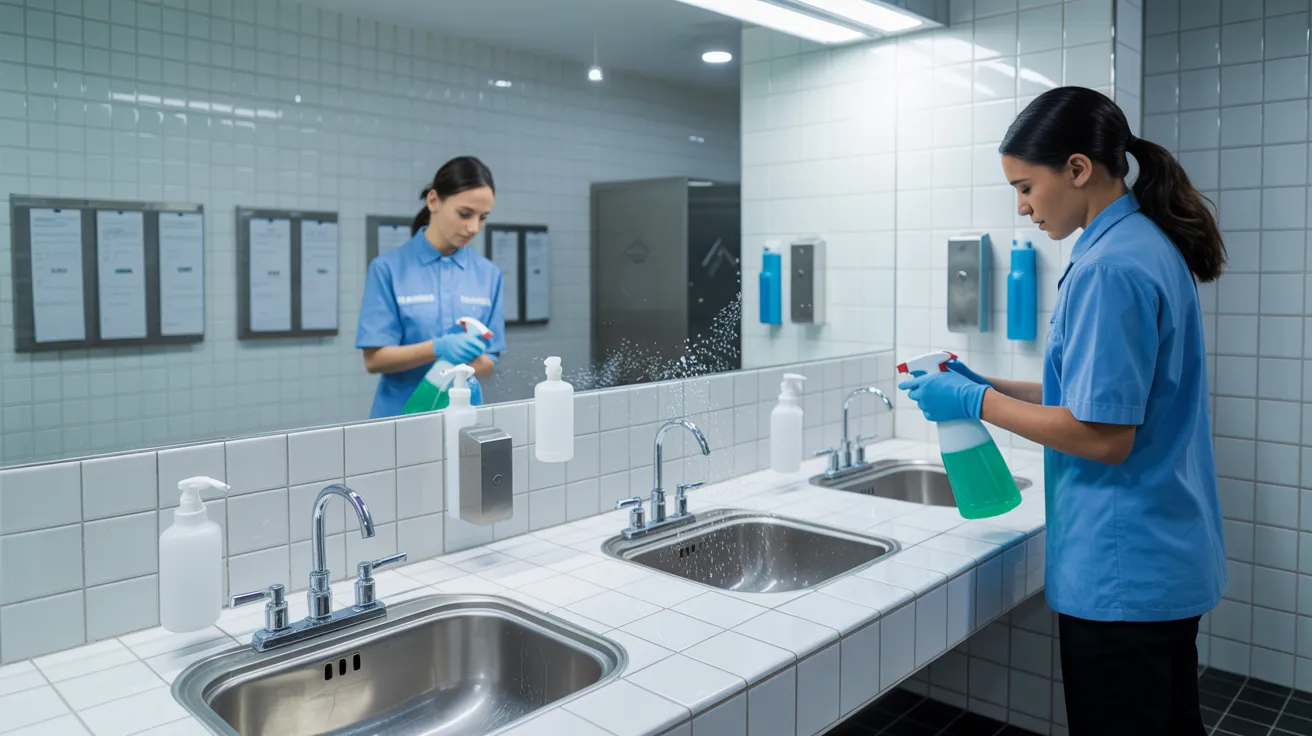
In restrooms, cleaners disinfect touchpoints, fixtures, partitions, dispensers, and waste containers then refill supplies and eliminate odor. They also service restaurant moprooms, where chemical storage, sink hygiene, and drainage conditions can affect sanitation compliance and staff safety daily.
Food Safety Cleaning Significance for Brampton Businesses
To adhere to regulatory mandates and succeed in audits, Brampton establishments must follow appropriate cleaning protocols. You also minimize cross-contamination by cleaning and sanitizing food-contact surfaces, equipment, and high-touch areas correctly. Most importantly, you help protect public health by lowering the risk of foodborne illness in your facility.
Health Code Compliance
Since Brampton food establishments must follow mandatory safety protocols, your cleaning procedures directly influences your capability to fulfill health codes, protect diners, and sidestep regulatory penalties. You must maintain hygienic food handling zones, recorded sanitation plans, safe chemical management, and auditable operational standards that comply with municipal and provincial inspection expectations.
Strong cleaning records assist you in proving due diligence during compliance reviews and demonstrating your practices follow standardized patterns that are consistent and overseen.
Cross-Contamination Prevention
Following regulatory requirements depends on your skill in stopping cross-contamination in daily food handling and cleaning. You must separate raw ingredients from ready-to-eat foods, sanitize prep surfaces between tasks, and maintain separation of cleaning products from food. Clear procedures reduce transfer risks and promote steady regulatory adherence.
Building allergen isolation prevents priority allergens from contacting common workstations, storage, or apparatus. Utilize dedicated cutting boards, color-coded tools, and strict utensil labeling so staff don't mix items in cooking or serving.Enforce handwashing after handling raw meat, seafood, eggs, or allergen-containing products. Swap wiping cloths regularly, and confirm sanitizer strength with test strips. When your team follows these practices every shift, you foster a cleaner, more secure operation that meets Brampton's food safety expectations consistently.
Public Wellness Protection
Should food safety cleaning break, you don't simply encounter inspection problems—you increase the potential of foodborne illness impacting customers, staff, and the wider Brampton population. You also undermine your responsibility in safeguarding community wellness, especially in busy food facilities where contamination can spread quickly through surfaces, equipment, and touchpoints.
You need sanitation procedures that remove soils, disinfect properly, and confirm effectiveness. That requires adhering to exposure periods, using approved disinfectants, documenting schedules, and educating employees to meet health-unit expectations. These measures facilitate pathogen reduction by lowering microbial loads before they contaminate surfaces or food. In Brampton, strong sanitation protects vulnerable populations, prevents disease spread, and enables you to show due diligence. When you maintain proper standards, you don't just meet regulations—you substantially decrease danger and support safer food service citywide.
Why Is Cleaning Essential for Food Safety Compliance?
Maintaining comprehensive cleaning schedules ensures food safety compliance by lowering contamination exposure, managing pathogen expansion, and keeping your facility compliant with sanitation requirements under HACCP-based programs and public health regulations. You confirm that product-contact areas stay visibly clean and microbiologically controlled, enabling documented preventive controls and inspection readiness.
Systematic cleaning further solidifies allergen management by eliminating residues that can provoke undeclared allergen exposure. When you integrate established sanitation practices with safety training, your staff can execute standardized methods, employ approved chemicals properly, update records properly, and address deviations in advance of problems worsen. Consistent cleaning promotes product tracking, validates remediation efforts, and proves responsibility during audits. Furthermore, it aids you maintain product integrity, maintain operational compliance, and lower the possibility of compliance actions, market recalls, grievances, and preventable health hazards.
How Should You Arrange Commercial Cleaning Services?
Establish cleaning routines based on risk levels, production rates, and compliance requirements instead of relying solely on a set calendar. You should schedule standard cleaning daily
daily routines
What Should You Look For in Brampton Cleaning Experts?
Begin by evaluating providers based on sanitation compliance standards—not solely on budget. You should confirm that each organization comprehends CFIA, public health, and HACCP-based requirements applicable to your facility. Request proof of insurance, WHMIS compliance, staff training documentation, and oversight procedures. Assess whether technicians recognize cross-contamination hazards, chemical handling protocols, and verifiable sanitation records.
You should also assess business dependability and responsibility. Request references from food facilities in Brampton, then examine response times, corrective-action procedures, and communication standards. Confirm the company supports supplier audits and can present inspection-ready documentation when regulators or third parties request evidence. Check whether equipment is maintained is performed, color-coded implements are used appropriately, and site-specific hazards are recognized. A qualified provider protects regulatory adherence, product quality, and your brand reputation.
What's included in a Food Safety Cleaning Plan?
Develop a written plan that makes clear every sanitation responsibility, standard, and task before production begins. You should detail cleaning schedules, authorized chemicals, concentration levels, contact duration, implements, and validation techniques for each location, surface, and apparatus. Incorporate pre-operational inspections, corrective actions, and employee training requirements.
Your plan should also focus on cross-contamination controls, waste handling, pest-prevention measures, and documented schedules for restrooms, drains, floors, and food-contact areas. Describe how you'll separate raw and ready-to-eat processes, support ingredient tracking, and maintain accurate allergen labeling through validated cleaning between product changes. You should assign accountability, maintain signed records, and review results against regulatory standards, HACCP controls, and customer requirements. When gaps appear, update procedures immediately and retrain staff.
Frequently Asked Questions about the Plan
Will sanitation providers manage nighttime hours at Brampton facilities?
Yes, you can arrange sanitation coverage to manage overnight shifts in Brampton facilities. You'll organize overnight sanitation around operational windows, security measures, and personnel needs. Providers typically establish nightshift procedures to reduce disruption, maintain standards, and record finished work. You should confirm arrival timeframes, management, access protocols, and disposal methods before beginning service. If you operate controlled environments, you'll also need documentation that support inspections and internal quality assurance.
Will Brampton cleaning experts respond to hazardous incidents?
Yes, you can locate Brampton sanitation experts providing hazard containment services. They manage contamination, assess dangers, contain affected zones, and initiate rapid cleanup to minimize exposure and prevent business disruption. You should verify response rates, credentials, PPE measures, and disposal methods. If your facility must meet compliance standards, pick a provider that tracks incidents, follows procedures, and supports verification.
Are green disinfectants appropriate for food-contact surfaces?
Definitely, natural disinfectants operate safely on food preparation areas if you purchase products labeled food safe that meet regulatory requirements. You must confirm contact times, concentration levels, and rinse requirements prior to application. Plant based formulas reduce chemical hazards, but you require evidence of effectiveness against harmful bacteria. To maintain residue-free conditions, follow exact manufacturer guidelines and see information on this confirm your disinfectant adheres to food industry regulations.
Can maintenance plans be modified for seasonal variations?
Yes, you can tailor cleaning plans for seasonal variations. You should adapt intervals, labor allocation, disinfectants, and confirmation procedures to fit seasonal patterns while maintaining regulatory adherence. You'll reduce production downtime by scheduling cleaning around equipment transitions, peak volumes, and equipment use patterns. You should further modify procedural documents, staff education, and monitoring protocols to capture seasonal hazards, new allergens, or increased soil loads. Ongoing evaluations preserve your plan effective.
Do professional cleaning services train staff on hygiene standards?
Yes, commercial cleaners often train your staff on hygiene standards. You receive staff training on correct chemical application, contact times, cross-contamination prevention, machine breakdown, and documentation. They generally follow instruction with HACCP, GMP, and CFIA or local public health regulations. Many perform sanitation audits to confirm adherence, identify gaps, and reinforce corrective actions. This allows you to sustain uniform processes, pass inspections, and reduce food safety risks daily.
Closing Remarks
Partnering with Brampton food safety and commercial cleaning professionals means more than cleaning—it guarantees your operation meets inspection standards and your standards are defensible. From kitchen areas to production zones, each cleaned area and organized section lessens contamination risk and prevents major expenses. By scheduling maintenance on appropriate schedules and executing a comprehensive cleaning strategy, you shield staff, your customers, and your image. In a tightly controlled market, sanitary conditions are non-negotiable—they're critical to business success.